

A way of being buried

Natural burial

A grave in living soil. Nothing in it the ground can't take.

Three grounds within reach of Melbourne. What each one is like, what it asks, and where the cost sits.

5.0 · 32 Google reviews

The whole idea is that nothing gets in the way.

A plain coffin or a shroud. No chemicals. A shallower grave in living soil, and native planting left to close over it.

  • Where it's possibleThree grounds: Bunurong at Bangholme, Lilydale, and Healesville. None on the Peninsula itself.
  • What it asksNo embalming, one person to a grave, and a name on a shared stone rather than a headstone.
  • Where the cost sitsA farewell with burial from $8,374. The grave is the part that moves, and it moves a long way.
The grounds

Where a natural burial can happen

Victoria has only a handful of natural burial grounds, and most are a long way out. These three are close enough for a Melbourne or Peninsula funeral, and they are not alike. All three sit inside a larger cemetery, so you reach them by driving in past lawn graves and headstones.

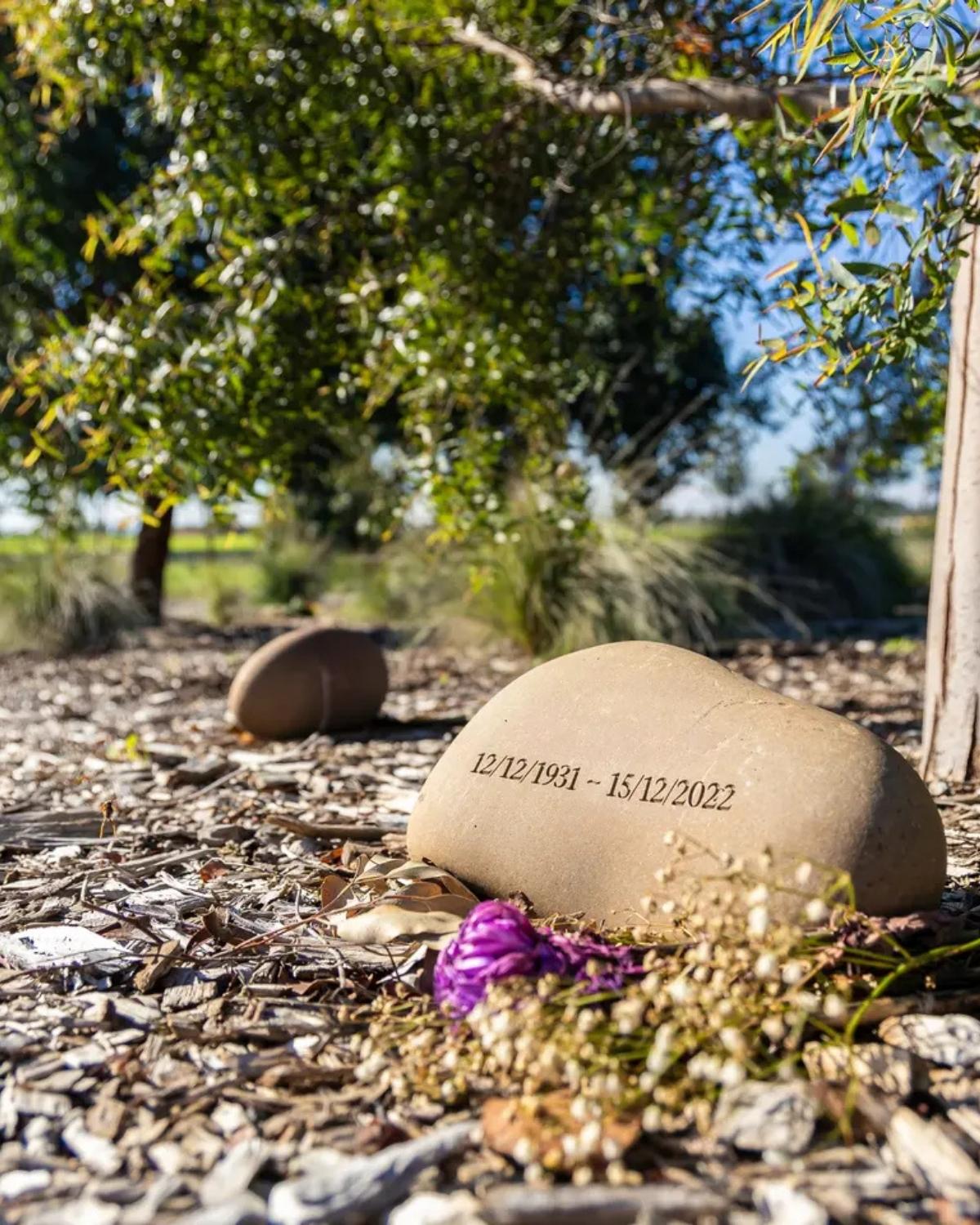
A small stone grave marker and dried flowers on mulch beneath a eucalypt at Murrun Naroon, Bunurong Memorial Park
Bangholme

Murrun Naroon

Native trees and shrubs on the edge of the south-east, and the closest natural ground to the Peninsula. Names are inscribed on a shared rock near the entrance, and a grave can be left unmarked or marked with a small inscribed river stone, a native plant, or both.
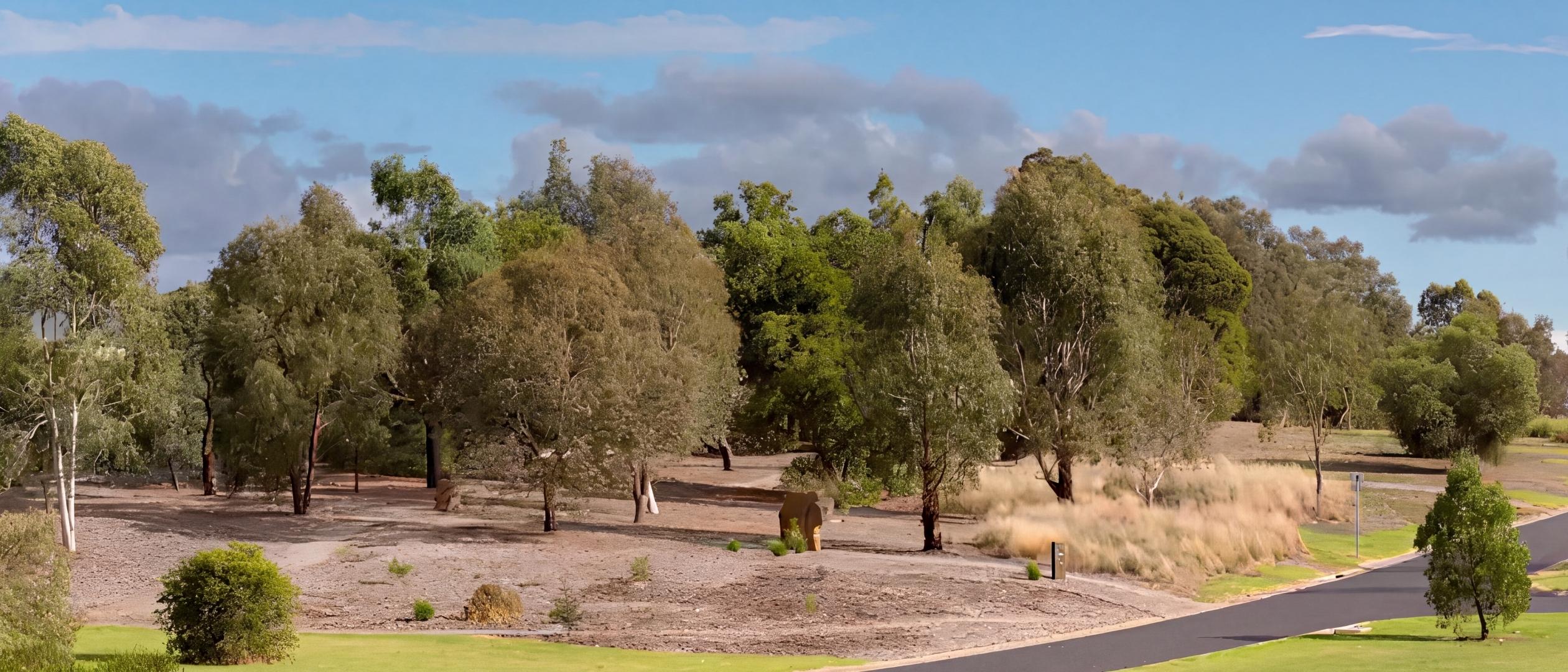
Young eucalypts and tussock grasses over mulched ground at Djeernongs Walk, the natural burial area at Lilydale Memorial Park
Lilydale

Djeernongs Walk

Young eucalypts and tussock grasses over mulched ground at the foot of the Yarra Ranges, kept as bushland rather than lawn. A name plaque on the common boulder comes with the grave.

Wet sclerophyll bushland with tall gums and an undisturbed understorey in the Yarra Valley
Healesville

Healesville Cemetery

A small preserved bushland section in a country cemetery, kept as habitat rather than lawn. The furthest from town and the quietest of the three.

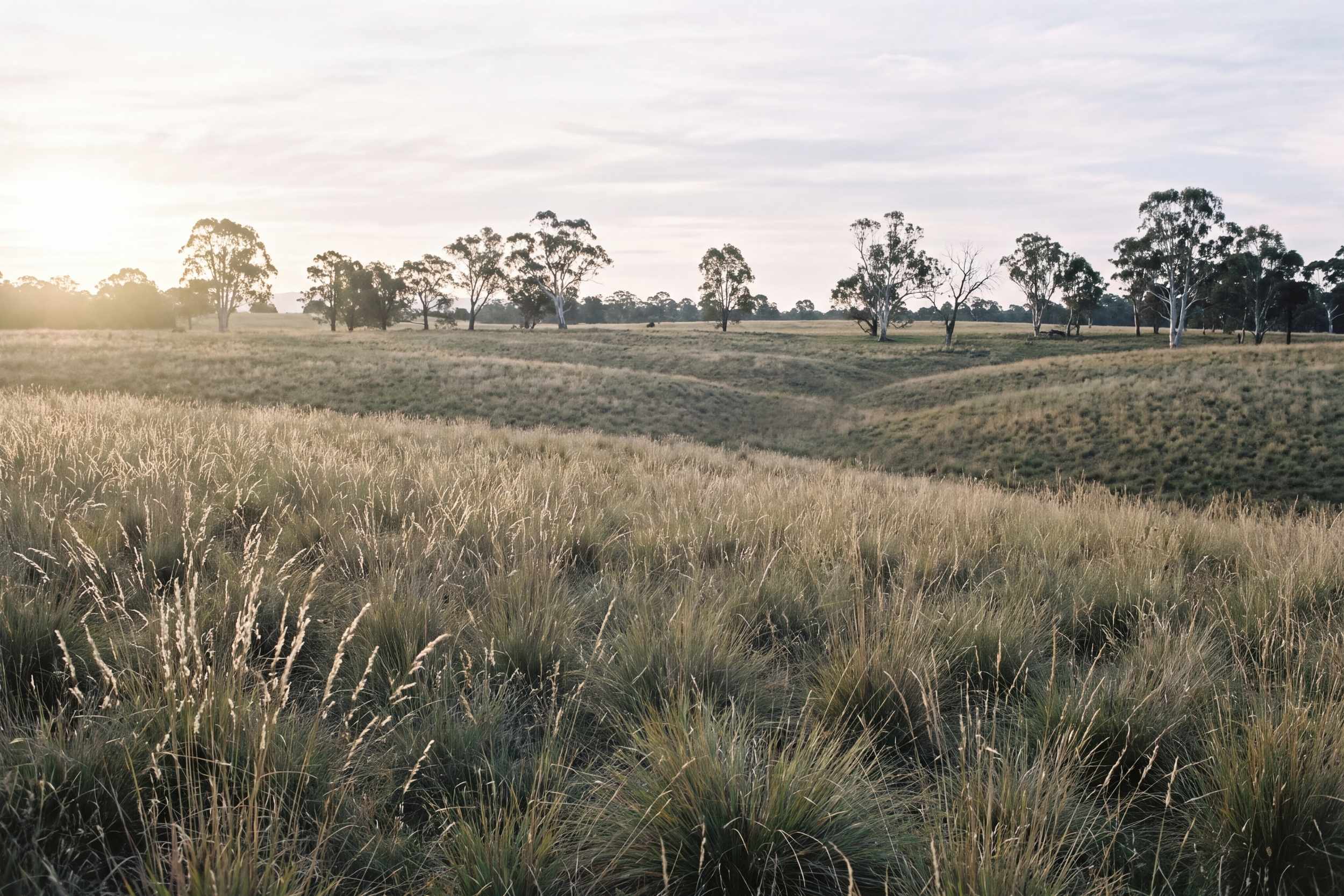
Native tussock grassland with scattered eucalypts in low afternoon light

You won't visit a stone. You'll visit a place.

The difference

How it differs from an ordinary burial

Every ground applies close to the same list. Miss one of them and what you have is an ordinary burial with a good coffin — a real improvement on most funerals, but not this.

Ordinary burialNatural burial
Depth 1.8 to 2.7 metres. 1.2 to 1.5 metres, so the body rests in the living layer of soil rather than below it.
Who can be buried there Up to three people in the one grave. One person. The grave is never reopened, and is held in perpetuity under Victorian law.
The coffin Anything, including veneer, lacquer, metal fittings and synthetic lining. Untreated timber, cardboard, bamboo, wicker or willow — or a shroud, with no coffin at all.
What goes in with them Whatever the family chooses. Natural fibres only. Letters and keepsakes are welcome if they will break down.
Embalming Available if you want or need it. Not possible. Refrigeration instead, which is what we do anyway.
What marks the grave A headstone or plaque of your choosing. A name on a shared rock. The grave itself can be left unmarked, or marked with a small inscribed river stone, a native plant, or both.
The ground around it Mown lawn, maintained. Native planting, left to grow.
What you can leave Flowers and tributes as you like. Fresh cut unwrapped flowers, or small wooden items.
Carried in

What they are carried in

Anything the ground can break down. It rules out veneer, lacquer, metal fittings and synthetic lining — and it starts well below the price of a standard coffin.

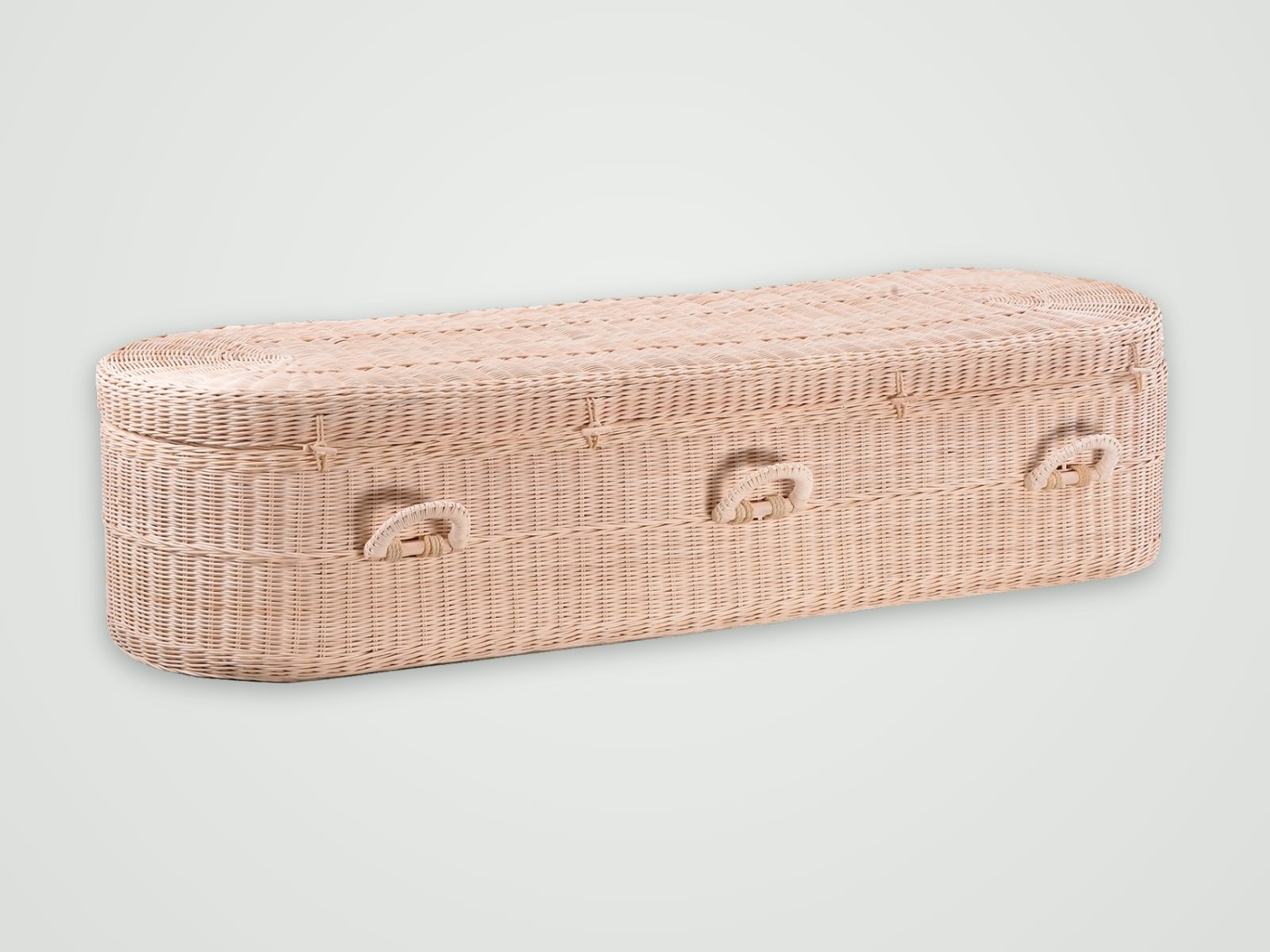
A pale woven willow casket with rounded ends and hand-woven handles

Woven wicker

Hand-woven willow, in a natural honey tone or a soft white. The one families choose most often when the grave is in bushland.

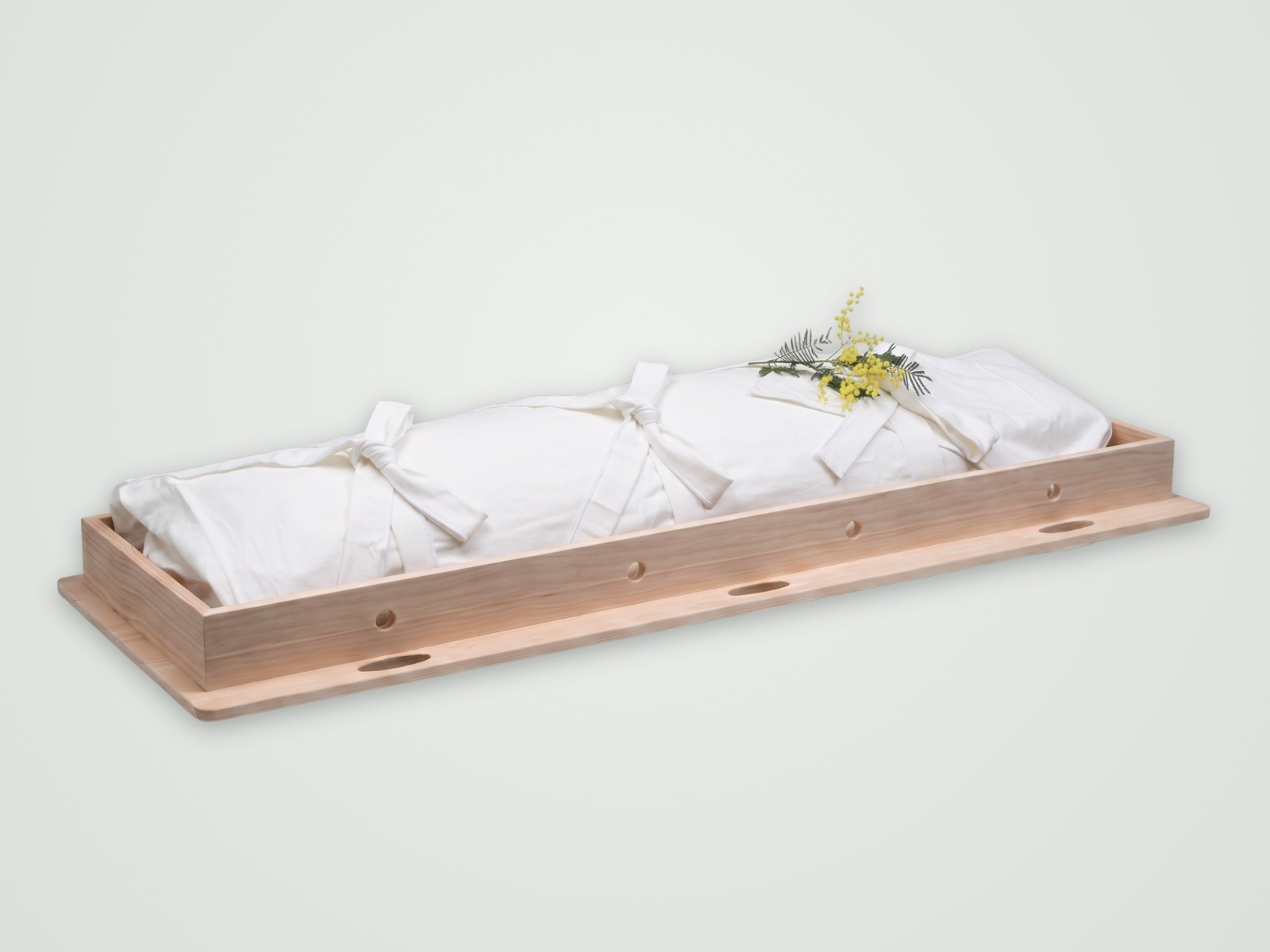
A white shroud tied with cloth knots and a sprig of wattle, resting on a timber bearer

A shroud, and a bearer

A fleece shroud on a firm timber bearer with handles, so the people who loved them can carry and lower them by hand.

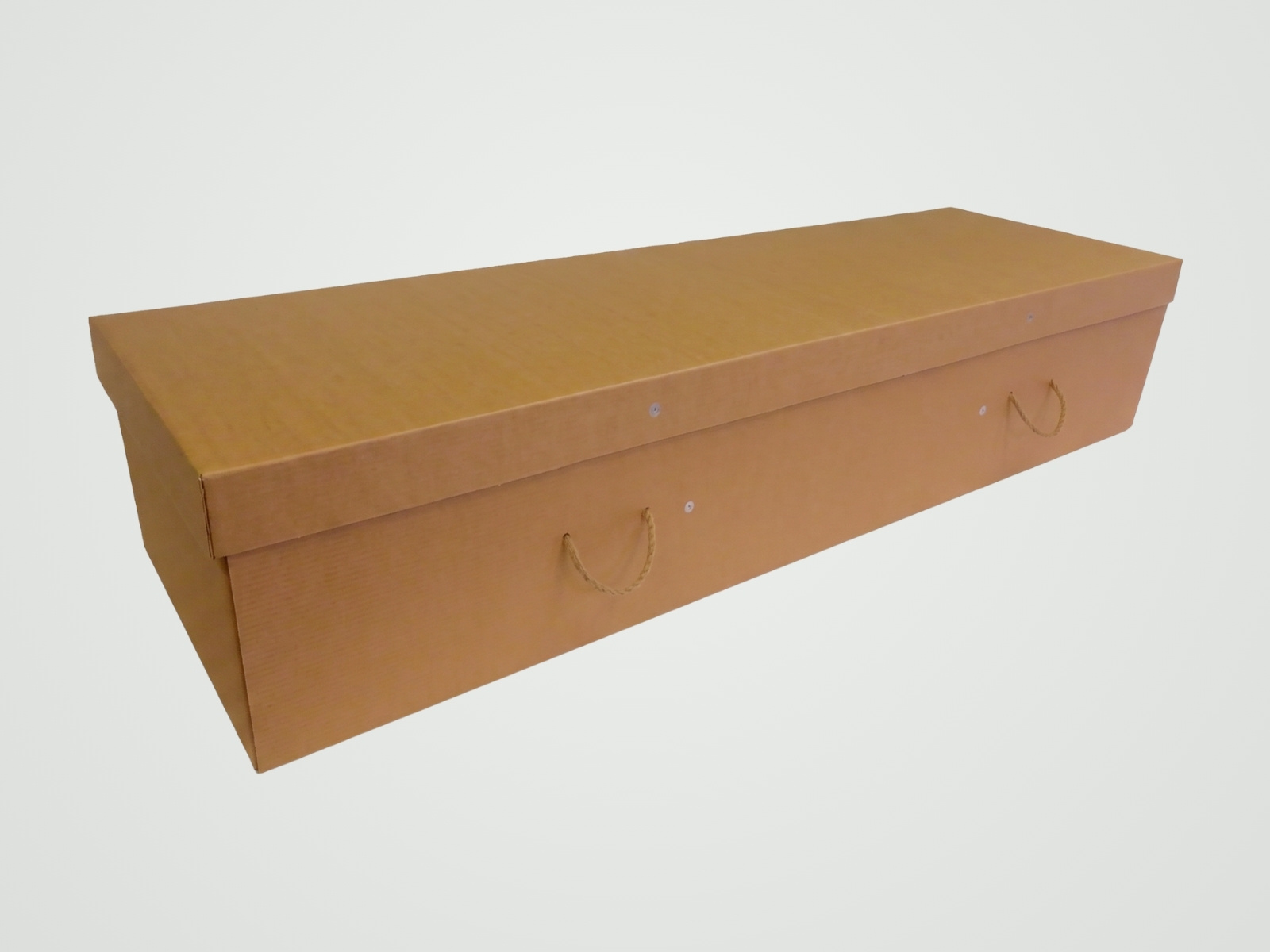
A plain cardboard casket with rope handles and a fitted lid

Cardboard

Plain, strong, and the least you can spend on a coffin anywhere in our range. Families often decorate it themselves.

Every coffin, and every price

Trace certified carbon positive
Beyond the grave

We offset more than we emit, on every funeral

Natural burial is the lightest way to be buried, but it is not nothing. A grave is still dug, a coffin is still made, and cars still run on the day.

So we measure what the business actually emits through Trace and offset 150% of it, which is what makes us carbon positive rather than carbon neutral. Not only for the families who choose this.

Coffins made in Australia. Flowers arranged by hand in Mornington. A hybrid fleet. Science-based targets by FY27.

The cost

From

$8,374

for a Simple farewell with burial. The grave is separate, set by the cemetery and passed on at cost.

Every figure is itemised in full before you commit to anything, not after.

See what each experience includes

If you want the detail

Questions families ask

What does the grave cost at each ground?

The right of interment — the right to be buried in that place — is around $2,500 at Healesville, around $2,800 at Lilydale, and around $10,000 at Bunurong. The interment fee is charged separately and varies by ground and by day of the week.

Each cemetery sets its own prices and reviews them every 1 July, so treat these as the shape of it rather than the figure. We pass all of it through at cost and confirm the current numbers in your itemised plan.

Which coffins qualify, and which don't?

Cardboard, wicker, willow, bamboo and unpolished timber qualify at all three grounds, as does a shroud of natural fibre. Several coffins in our range look plain but are lacquered or built with veneer, and most grounds will not take them.

Two options need checking first: the woollen casket and the bamboo-blend shroud sit outside the materials the grounds name explicitly. Your arranger confirms anything against that ground's own list before you commit.

Can we still see them if there is no embalming?

Yes. Embalming is not required for a viewing and is not required by law for any funeral in Victoria. We care for your person under refrigeration and arrange a viewing at Mornington or Moorabbin. It does set the pace, though: it comfortably covers the usual week, but it limits how long you can hold the day for someone travelling from overseas.

How will we find the grave again?

The cemetery records the exact position and can walk you to it, and the name goes on the shared memorial rock for the section. At Bunurong an individual rock marker can also be bought. Some people find the absence of a headstone freeing and some find it hard, and it is worth asking your family out loud which they are before the day rather than after it.

What can we leave at the grave?

Only what the ground can take back. At Murrun Naroon that means fresh cut unwrapped flowers or small wooden items — no plastic wrap, no artificial flowers, no glass or ceramic. Each ground sets its own list, and your arranger will tell you what applies where you are going.

Can we hold a position in advance?

Yes, at all three grounds, and it is worth doing. Natural sections are small, cannot be extended, and availability is the one part of this nobody can promise. The right of interment is held separately from any funeral arrangement. See how planning ahead works.

Is this the same as a green or eco funeral?

No. Green and eco are not defined terms and get used loosely. Natural burial is a specific set of conditions applied by the cemetery, and a ground either meets them or does not. If you want the lower impact without the conditions, a biodegradable coffin in an ordinary grave is a real improvement and we will happily arrange it — we just will not call it a natural burial.

Candour Funerals

Tell us the ground you have in mind

We will check what it allows, whether it has a position, and what it charges this year — before you commit to anything. If natural burial is not possible for your person, you will hear that on the first call rather than the third.