




When planning a funeral, one of the first and most important decisions a family may need to make is whether their loved one will be buried or cremated.
There is no right or wrong choice. Burial and cremation each offer different ways to say goodbye and honour the memory of your loved ones. The decision may be influenced by personal preference, cost, family traditions, religious beliefs, environmental impacts, and other practicalities.
Understanding each option can help decision-making a little easier. This guide describes the process involved in burial and cremation in Victoria and some of the factors you may wish to consider when making your choice.
What is burial?
Burial refers to the act of laying a deceased person’s body to rest in a grave or a designated place of interment.
In Victoria, bodily remains may be interred in a public cemetery. Burial outside a public cemetery is prohibited without prior approval from the Victorian Department of Health.
There are several types of burial to consider:
- Below-ground burial – in a grave at a cemetery or other approved burial site
- Above-ground burial – within a mausoleum or crypt
- Natural (or green) burial – in a cemetery specifically designed for natural burial
For some people, one of the most meaningful aspects of burial is having a dedicated place to return to. A grave, mausoleum or other place of interment can provide a physical location for anniversaries, birthdays, and other occasions when family and friends want to sit with their loved one.

What's involved in burial?
The exact arrangements will vary depending on the wishes of the family, funeral service provider, and cemetery. Generally, the process may include:
- Choosing a cemetery and purchasing a plot for burial
- Completing the required legal and administrative documentation
- Obtaining interment authorisation
- Deciding whether to hold a funeral service or viewing before the burial
- Discussing any pre-burial care for the body, including whether embalming is appropriate or required
- Selecting a coffin or casket
- Arranging the burial and any memorialisation, such as headstone or plaque
At Candour, we understand that every farewell is different. Whether you’re considering a traditional burial, or another option, our team can help you understand what’s involved and arrange the details with care. We’ll take the time to listen to what matters to you and your family, so you can create a farewell that feels personal and meaningful.
What is cremation?
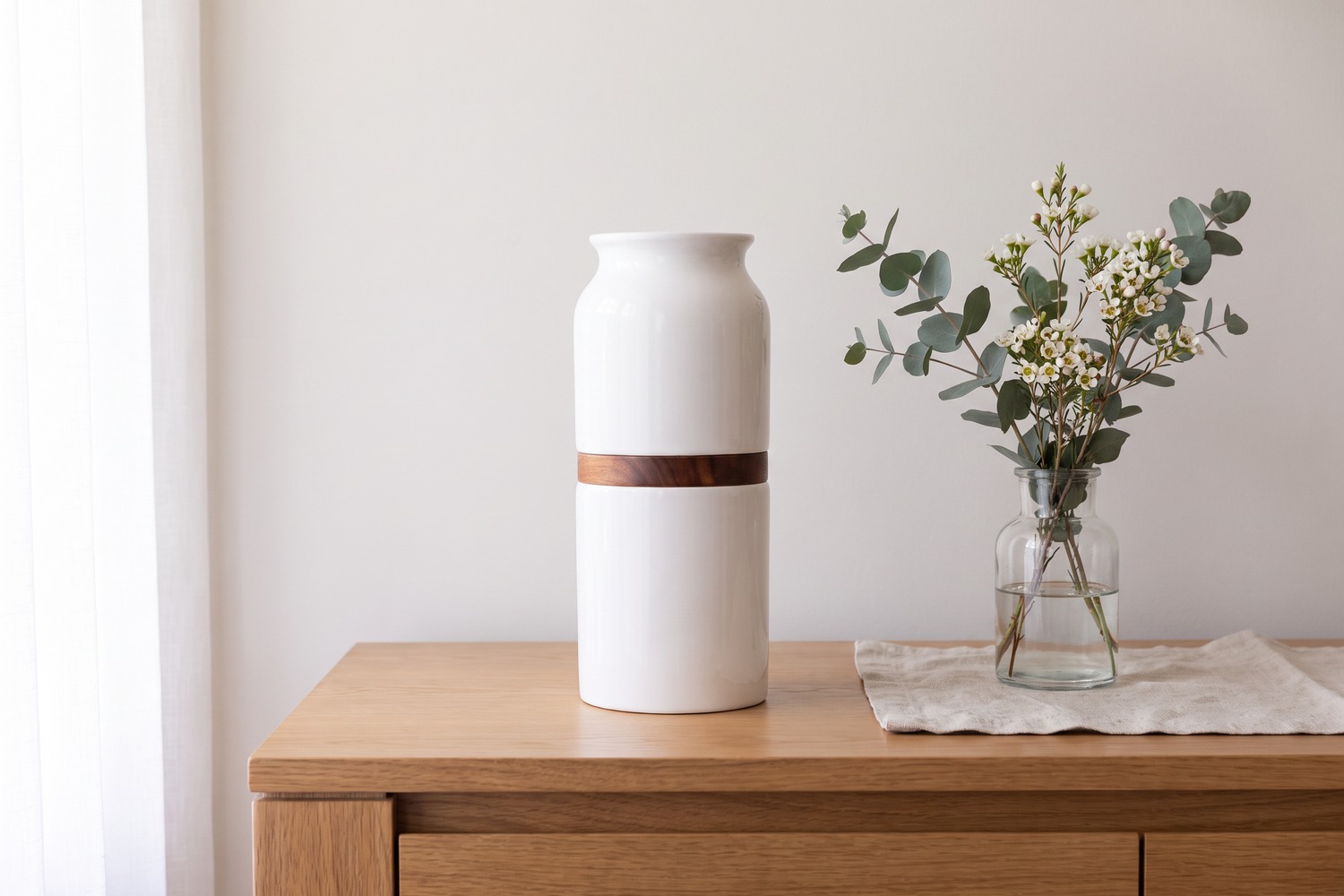
Cremation is a respectful process of reducing a deceased person’s body to ashes through exposure to high temperatures in a cremator. After cremation, the remaining bone fragments are processed into a finer consistency and are commonly referred to as ashes or cremated remains.
The ashes are returned to the family or an authorised person, usually in an urn or other suitable container, within three to seven days.
Some families may choose to hold a funeral service or viewing before the body is transferred for cremation, while others may prefer to remember and honour their loved one after receiving the ashes.
Depending on the wishes of the family, ashes may be kept in a decorative urn at home, placed in a cemetery memorial or niche, interred in a public cemetery or on private land, or scattered in a meaningful location.
Some people may also choose to incorporate ashes into keepsakes or memorial jewellery as another way of remembering their loved one.
There are two common approaches to cremation:
- Direct or unattended cremation, where the cremation takes place without a traditional funeral service or attendance at the crematorium
- Attended or witnessed cremation, where family and friends may attend a service or, where offered and appropriate, witness part of the cremation process
What's involved in cremation?
Like burial, the arrangements can vary based upon the wishes of the family, funeral service provider, and crematorium.
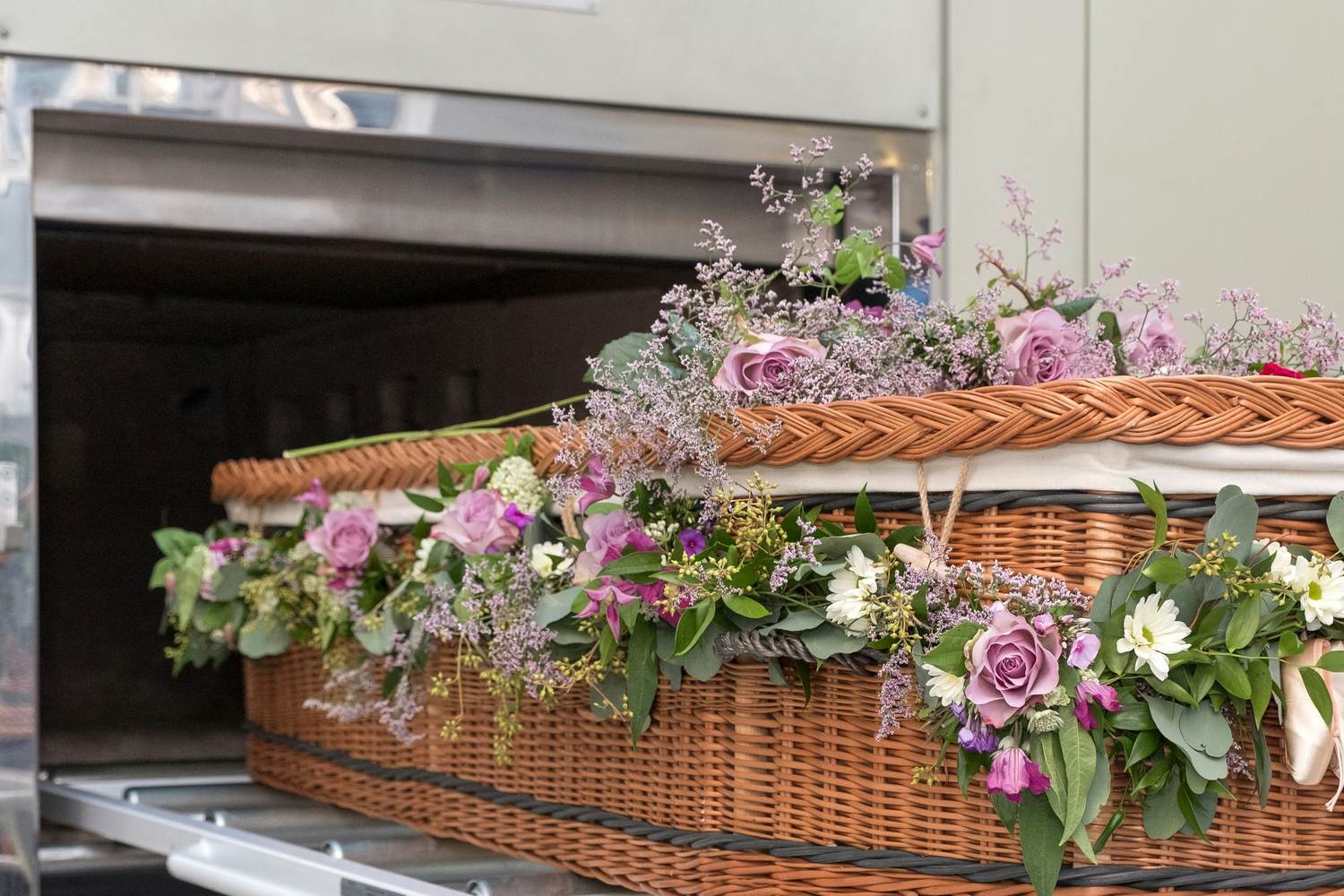
In general, the process for a cremation may involve:
- Arranging pre-cremation care for the deceased person
- Discussing the removal of medical devices or other items that may affect the cremation process
- Discussing jewellery and personal belongings, including whether items should be returned to the family or, where permitted, remain with the deceased
- Deciding whether to hold a funeral service or viewing
- Deciding between an attended or unattended cremation
- Choosing a crematorium
- Selecting a coffin, casket or other approved container
- Completing the required legal and administrative documentation
- Deciding how and where the ashes will be cared for or commemorated.
Our team at Candour can help you explore the different options, from a simple unattended cremation to a more traditional farewell with family and friends. We’ll guide you through the arrangements and help you choose what feels right for you.
What should I consider before deciding?
The choice between burial and cremation is deeply personal and often reflects one’s values and priorities. For some people, the decision is straightforward. For others, it may require understanding and balancing of different factors such as personal preference and practicalities, cost, religion, family or cultural traditions, and environmental impacts.
Personal preference and practicalities
Things to consider:
- What were your loved one’s wishes?
- How would you like remembering your loved one?
- How do you feel about different options?
- How might those close to the deceased feel about different options?
If your loved one expressed their wishes before death, it is important to discuss these wishes with the people involved in decision-making and understand their different needs, preferences and expectations.
Where possible, make arrangements that honour your loved one’s wishes while also allowing those left behind to remember them in a way that meets their needs.
A burial provides a specific place of interment that some people find comfort and solace to have as a permanent, physical place to visit in the future.
Cremation can also provide a place of remembrance if the ashes are interred in a cemetery or kept in a meaningful location. Some families may choose cremation for the flexibility to honour and remember their loved one in different ways, such as scattering the ashes in a meaningful place.
When choosing a location for interment, it may be worth considering whether family members and friends will be able to visit the resting place easily, particularly if family members have accessibility needs, or live interstate or overseas.
Every family is different. Speaking with your funeral director can help you understand your options, ask questions, and make plans that feel right for you and your family.
Cost
Things to consider:
- What is your budget?
- What is the cost breakdown for each option?
- Are there any ongoing costs and who will pay these in the future?
Cost is often the core factor that can affect decision making. The Australian Seniors Cost of Death Report 2.0 noted the costs of funerals have continued to rise, and many people reported experiencing financial hardship after paying for a funeral. In 2023, the estimated average cost was $11,039 for burial and $8,045 for cremation.
Therefore, it is essential to know your budget and understand the costs involved – upfront and ongoing – for different options.
Burial tends to cost more due to expenses related to the land required for the plot, interment fees, coffin or casket, funeral service, and memorialisation such as a headstone or plaque.
On the other hand, cremation tends to have fewer associated costs. Basic expenses may cover the cremation process, coffin, casket, or other container for the body, transportation, and the container for the ashes. Additional cost may arise depending on funeral arrangements, what happen to the ashes afterward, and the memorialisation chosen, such as an urn or keepsake.
Our team at Candour help you plan and arrange a meaningful farewell within your budget by providing a clear, transparent, itemised quote for different options to help you decide.
Religious, family, and cultural traditions
Things to consider:
- Does your family, culture, or religion have traditions or practices for honouring the dead?
- Are there any rules or recommendations regarding burial or cremation?
- What other things (e.g. timing, ritual, caveat, etc.) may need to be considered?
Funeral traditions often connect generations and play an important part in the grieving process.
Some religions or faiths have specific rules, requirements, or rites around burial or cremation. Speaking with a religious or spiritual leader may help clarify the appropriate choice and process.
It may also be important to consider what has traditionally been done within your family or cultural community, particularly if there are customs around caring for the body, burial, cremation, ceremonies, or memorialisation.
Environmental impacts
Things to consider:
- How important is the environmental impact of the funeral process to you?
- What eco-friendly options are available for each option?
Environmental impact is another factor some families may consider.

Neither burial nor cremation is completely without environmental impacts. The overall impact can depend on a range of factors, including the type of cemetery, coffin or casket, transportation, memorialisation, and the cremation process.
Families interested in reducing environmental impact may wish to ask funeral directors about environmentally conscious products and other available options.
At Candour, sustainability is one of our core values. We’re committed to offering environmentally responsible and economically sustainable products, while helping families make choices that are right for them.
Final thoughts
Choosing between burial and cremation is a deeply personal decision, and there is no one-size-fits-all answer.
Take the time to understand your options, discuss your wishes with those close to you, and speak with a funeral director about what feels right for you and your family.
Whether you choose burial or cremation, what matters most is creating a farewell that honours your loved one and gives those close to them an opportunity to say goodbye.
At Candour, we believe a farewell should be as individual as the person being remembered. Our bespoke service is designed around you, your family and the way you want to say goodbye.
If you’re thinking about your own funeral arrangements, a prepaid funeral plan may also be worth considering. Planning and paying for your funeral in advance can give you greater certainty about your wishes and the costs involved, while helping your family feel more prepared when the time comes.
Whether you’re considering burial or cremation for your loved one, or planning ahead, we’re here to listen, answer your questions, and guide you through the process. From the practical arrangements to the personal touches, we’ll work with you to create a meaningful farewell that reflects your wishes, circumstances, and budget.
If you’d like to talk through your options or need help with what to do next, please contact us. We’re here for you, 24 hours a day, 7 days a week.

.jpg)